Choose secure short-term storage for raw logs
Choose secure short-term storage for raw logs
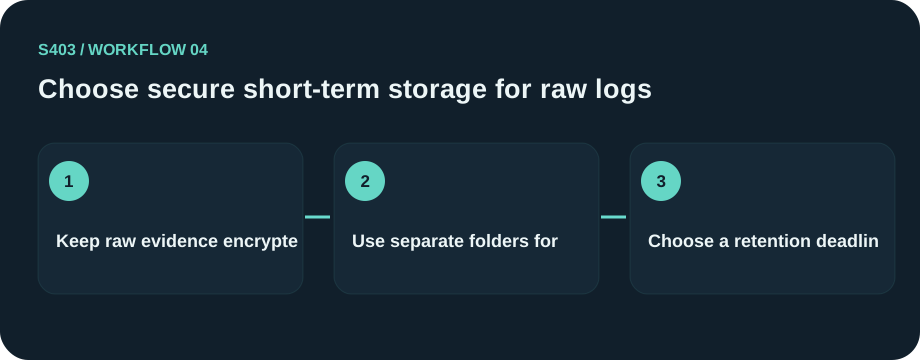
Send only necessary technical log evidence
Encrypted storage and authorized sharing are separate choices. For Windows diagnostic evidence, identify who needs a copy, their precise task and the allowed channel. Prefer the vendor’s authenticated support upload workflow. Do not paste raw logs into a public ticket or public Feedback Hub post.

Decide who should see what
The default access set is the assigned support case owner and a designated security reviewer; anyone else should have a time-bounded, task-specific reason. Prefer the vendor’s authenticated support upload workflow. Do not paste raw logs into a public ticket or public Feedback Hub post. Write the requester, purpose and approved subset into a simple access record.
Choose a supported recipient method
Check whether the handoff needs a secure portal, compatible encrypted file, or controlled in-person transfer. Never assume the recipient can open a proprietary locker format. Confirm device compatibility and share decryption details only through an appropriate separate channel when necessary. For Windows support artifacts, this means checking minidump files, handling trace tokens separately, and using a fake Event Viewer export as the review example. Record the actual requester, authorized recipient and expiry or closeout trigger for the exchange.

Close the exchange
Confirm receipt without demanding screenshots of sensitive files. Update the version or approval ledger and review whether temporary send folders, cloud share links or downloaded copies remain accessible after the task. For Windows support artifacts, this means checking minidump files, handling trace tokens separately, and using a fake Event Viewer export as the review example. Record the actual requester, authorized recipient and expiry or closeout trigger for the exchange.
Escalation example: the recipient needs an answer about Event Viewer exports; send a purpose-limited summary before deciding whether to share the full evidence.
Practical implementation checklist
- Identify the accountable approver for Windows diagnostic evidence and write down the exact event being protected.
- Choose a non-sensitive sample drawn from the same format as diagnostic CSVs; never use a real identity, key or patient record in a public example.
- Compare the unprotected working copy, restricted recipient copy and intended retained copy. Confirm where extra versions are created.
- Record the approved destination, any failed test, and a date for reassessing the workflow when personnel or software changes.
Questions readers should resolve
Can an encrypted locker be sent to any recipient?
Not automatically. Confirm software format, operating-system compatibility, credential delivery and an authorized recipient. For Windows support artifacts, this means checking minidump files, handling trace tokens separately, and using a fake Event Viewer export as the review example. Record the actual requester, authorized recipient and expiry or closeout trigger for the exchange.
Who should approve this Windows diagnostic evidence workflow?
Assign a named owner. In this context, start with the assigned support case owner and a designated security reviewer and confirm the applicable organizational authority.
Research and documentation
These sources support the technical boundaries described here. They are not substitutes for testing the current software on the target device, checking legal requirements, or independently confirming product claims.
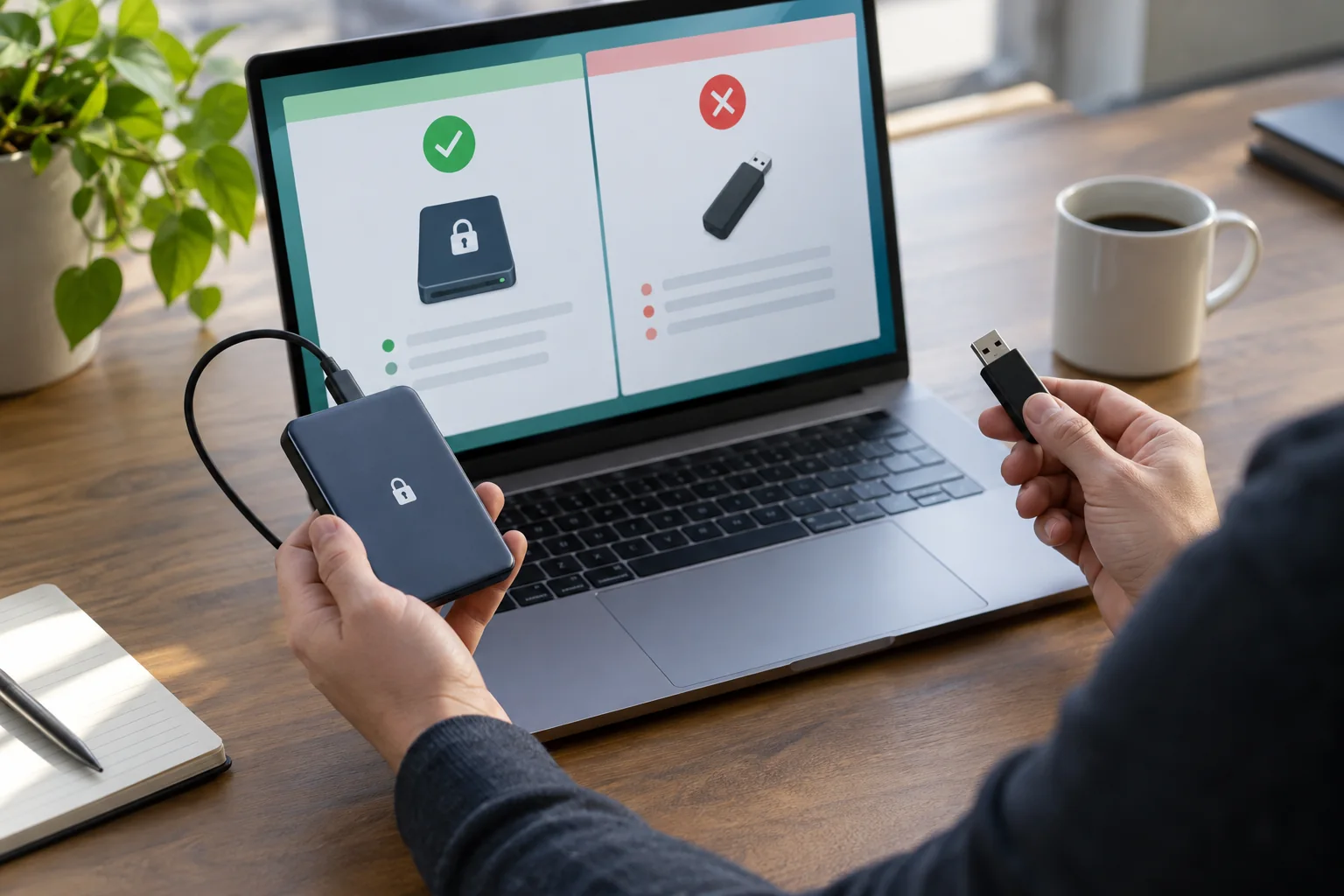
- Microsoft: Diagnostic Data Viewer
- NewSoftwares Folder Lock: documented features
- Folder Lock FAQ and lost-password limitations
Editorial note: No paid link placement is required for this guide. Product information, if mentioned, describes one possible tool and should not be read as an endorsement or an assertion of universal compatibility.