Validate file integrity after receiving support feedback
Validate file integrity after receiving support feedback
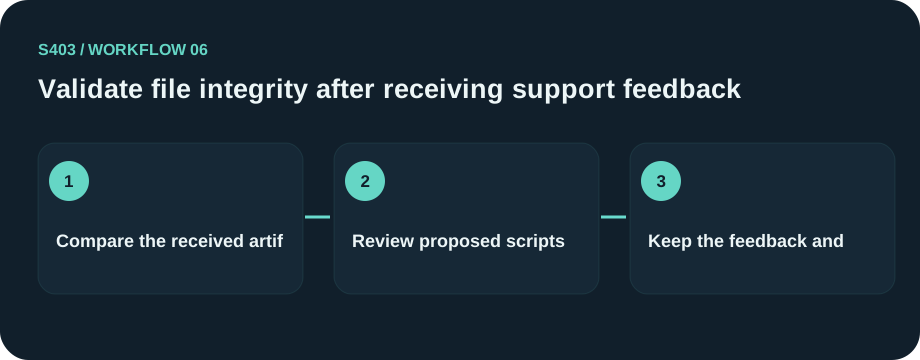
Schedule incident evidence cleanup
Retention is a project and legal decision, not a toggle in file-encryption software. Apply ticket retention and incident-record obligations; delete excess scratch exports and remove copies from local downloads. Plan for active records, frozen archives, disputes and controlled retirement.
Separate operational and legal periods
Different categories such as Event Viewer exports, diagnostic CSVs, minidump archives, system information reports and reproduction screenshots may have different retention reasons. Apply ticket retention and incident-record obligations; delete excess scratch exports and remove copies from local downloads. Keep the reason and next review date with the record index, not merely in an employee’s memory.
Set an accountable review
Assign the assigned support case owner and a designated security reviewer to consider records at the end of a case. Confirm that there is no legal hold, consent commitment or operational need before any destruction decision. A product’s shred feature is not a substitute for this authorization.
Retire copies, not just the primary file
Check working folders, exports, attached emails, removable media and approved cloud backups. Follow the applicable media-sanitization policy, particularly before reusing a device. Keep a non-sensitive deletion record to show what was approved and when. For Windows support artifacts, this means checking minidump files, handling trace tokens separately, and using a fake Event Viewer export as the review example. Check the full file lineage, including who exported it and where the duplicate copy traveled.
Retention example: archive system information reports may require a different schedule than a scratch copy of diagnostic CSVs. Obtain the schedule from the responsible organization.
Practical implementation checklist
- Identify the accountable approver for Windows diagnostic evidence and write down the exact event being protected.
- Choose a non-sensitive sample drawn from the same format as system information reports; never use a real identity, key or patient record in a public example.
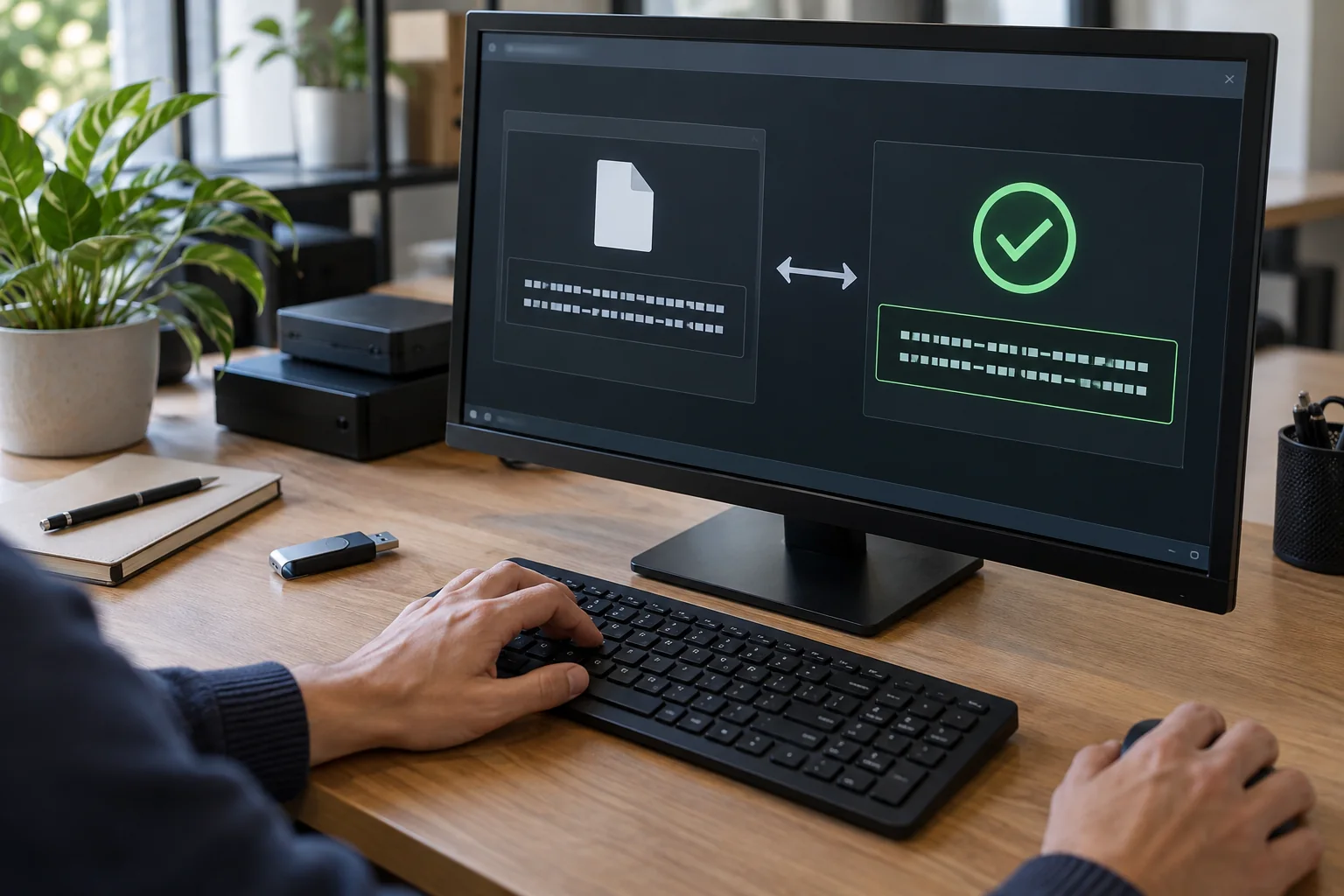
- Compare the unprotected working copy, restricted recipient copy and intended retained copy. Confirm where extra versions are created.
- Record the approved destination, any failed test, and a date for reassessing the workflow when personnel or software changes.
Questions readers should resolve
Does moving a file to the recycle bin securely dispose of it?
No. Follow an approved sanitization method and review remaining copies and backups. For Windows support artifacts, this means checking minidump files, handling trace tokens separately, and using a fake Event Viewer export as the review example. Check the full file lineage, including who exported it and where the duplicate copy traveled.
Who should approve this Windows diagnostic evidence workflow?
Assign a named owner. In this context, start with the assigned support case owner and a designated security reviewer and confirm the applicable organizational authority.
Research and documentation
These sources support the technical boundaries described here. They are not substitutes for testing the current software on the target device, checking legal requirements, or independently confirming product claims.

- Microsoft: Diagnostic Data Viewer
- NewSoftwares Folder Lock: documented features
- Folder Lock FAQ and lost-password limitations
Editorial note: No paid link placement is required for this guide. Product information, if mentioned, describes one possible tool and should not be read as an endorsement or an assertion of universal compatibility.